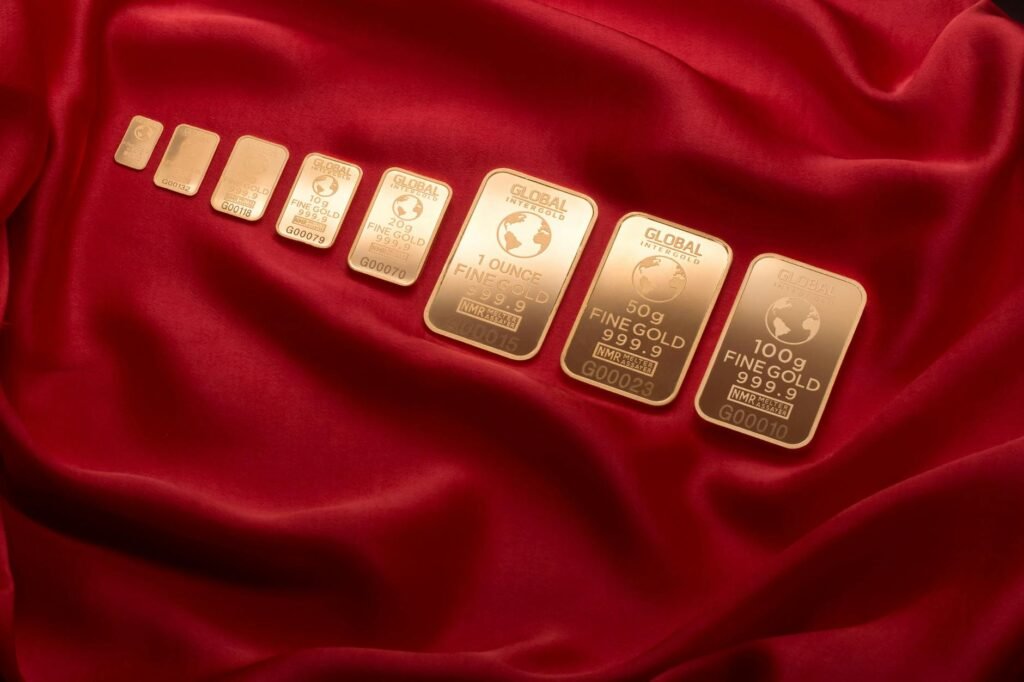
Picture it: the year is 2022. Inflation is running at 8.5% — the highest in four decades. Bond prices are cratering. Growth stocks are giving back years of gains. And investors who held gold are watching their positions hold value while almost everything else falls apart. The SPDR Gold Shares ETF — ticker GLD — gave ordinary investors a way to own that protection without finding a vault or dealing with a bullion dealer.
But is GLD the right gold ETF for you in 2026? And does gold belong in a modern portfolio at all? Here’s what you need to know.
Quick Summary
- GLD (SPDR Gold Shares) holds physical gold bullion — each share represents roughly 1/10 oz of real gold
- Expense ratio is 0.40% — higher than competitors like IAU (0.25%) and GLDM (0.10%)
- GLD dominates on liquidity and options depth, making it better for traders; IAU/GLDM are better for long-term holders
- A 5–10% gold allocation can reduce portfolio volatility and hedge against inflation — but gold doesn’t pay dividends or compound
Bottom line: GLD is a legitimate, well-established way to own gold exposure. For most buy-and-hold investors, IAU or GLDM offer the same exposure at a lower annual cost.
What Is GLD?
GLD, officially the SPDR Gold Shares ETF, was launched in November 2004 and is managed by State Street Global Advisors. It was the first gold ETF listed in the United States and remains the world’s largest physically-backed gold fund, with over $70 billion in assets under management as of early 2026.
When you buy GLD, you’re not buying gold futures contracts or gold mining stocks — you’re purchasing a beneficial interest in a trust that holds actual physical gold bars, stored primarily in HSBC’s vaults in London. The trust publishes a list of gold bar serial numbers quarterly for full transparency.
Each share of GLD represents approximately 0.0953 troy ounces of gold (the exact ratio slowly decreases over time as the expense ratio is charged). With gold trading around $2,800–$3,100 per ounce in early 2026, a single GLD share is priced in the range of $265–$295.
How GLD Tracks the Price of Gold
GLD uses physical replication — it buys and stores real gold, not derivatives. This means GLD’s price tracks the spot price of gold very closely. There’s a small daily drag equal to 1/365th of the 0.40% annual expense ratio, so over long holding periods, GLD returns will trail the gold spot price by approximately the expense ratio. In a one-year period where gold rises 15%, GLD might return 14.6%. For most investors, that’s close enough.
Authorized participants (large financial institutions) can create or redeem GLD shares in exchange for physical gold, which keeps the ETF price tightly aligned with the net asset value (NAV) of the gold it holds. This mechanism ensures GLD doesn’t trade at a significant premium or discount to gold itself.
GLD’s Expense Ratio: The Main Drawback
GLD’s expense ratio of 0.40% per year is the most commonly cited criticism. It’s not unreasonable in isolation — most actively managed funds charge much more — but cheaper gold ETF alternatives exist:
| ETF | Expense Ratio | AUM | Avg. Daily Volume |
|---|---|---|---|
| GLD — SPDR Gold Shares | 0.40% | ~$70B+ | Highest |
| IAU — iShares Gold Trust | 0.25% | ~$35B+ | High |
| GLDM — SPDR Gold MiniShares | 0.10% | ~$12B+ | Medium |
| SGOL — abrdn Physical Gold | 0.17% | ~$3B+ | Lower |
On $50,000 invested over 10 years, the difference between GLD (0.40%) and GLDM (0.10%) compounds to roughly $1,500+ in additional fees — money that would have stayed invested and grown. For long-term, buy-and-hold gold investors, the cheaper alternatives make more mathematical sense.
GLD vs. IAU: Which Should You Choose?
Choose GLD if: You’re an active trader, use options on your gold position (GLD has the deepest options liquidity of any gold ETF, with tight bid-ask spreads on options chains), or trade large enough positions that GLD’s superior liquidity meaningfully affects your execution price.
Choose IAU or GLDM if: You’re a long-term investor planning to hold for years or decades. The lower expense ratio compounds significantly in your favor — and both IAU and GLDM hold the same physical gold with the same structure as GLD.
When Does Gold Make Sense in Your Portfolio?
Gold is frequently misunderstood as an investment. It’s not a growth asset — over very long periods, gold roughly keeps pace with inflation but generates no income and doesn’t compound like equities. Here’s when gold genuinely earns its place:
Inflation Hedge
Gold has historically maintained purchasing power during inflationary periods. When the dollar weakens and real yields fall, gold tends to rise in nominal terms. During the 2022 inflation spike, gold’s relative stability was striking compared to both bonds and growth stocks.
Portfolio Diversification
Gold’s correlation to stocks and bonds is typically low, and often negative during equity bear markets. A 5–10% allocation to gold can reduce overall portfolio volatility without meaningfully dragging long-term returns — a classic portfolio-theory argument for owning a non-correlated asset.
Geopolitical and Currency Risk
Gold is a globally recognized store of value independent of any government or central bank. For investors concerned about currency debasement, sovereign debt levels, or geopolitical instability, gold provides a tangible hedge that transcends any single country’s monetary policy.
When Gold Doesn’t Make Sense
Gold pays no dividends, has no earnings, and doesn’t compound. During long equity bull markets — like 2010–2019 — gold dramatically underperformed the S&P 500. For young investors with a 30+ year time horizon who don’t need near-term protection, a heavy gold allocation would have meaningfully cost them in missed equity returns.
Is GLD Worth Buying in 2026?
GLD is a legitimate, well-established vehicle for gold exposure. It’s backed by physical gold, audited regularly, and available at every major brokerage with excellent liquidity. The 0.40% expense ratio is its primary weakness compared to IAU (0.25%) and GLDM (0.10%).
For most retail investors who plan to hold gold as a long-term portfolio allocation, GLDM or IAU will save meaningful money over time. GLD is the better choice for traders who use options or need maximum liquidity for large-position entries and exits.
Whether you choose GLD, IAU, or GLDM, a modest 5–10% gold allocation can genuinely improve portfolio resilience — particularly during inflationary or risk-off environments. The ETF you pick matters less than making a deliberate, sized allocation and sticking to it through volatility.
Want more investing insights?
Get weekly ETF picks, stock analysis, and market breakdowns.
Disclosure: This article may contain affiliate links. We may earn a commission if you click through and make a purchase, at no additional cost to you. All opinions are our own. See our Editorial Policy for details.