Last Updated: March 2026 | By WealthIQ Editorial
Executive Summary
- Payment history (35%) and credit utilization (30%) are the two biggest levers — together they control 65% of your FICO score.
- Keeping utilization under 10% (not just 30%) can add 20–50 points over keeping it at 29%.
- Becoming an authorized user on a long-standing account can boost your score by 30–60 points within one billing cycle.
- Credit builder loans from institutions like SoFi report to all three bureaus and can lift scores by 40–60 points in 6–12 months.
Bottom line: With the right combination of methods, you can realistically build 50–100+ points in 6–12 months — but there are no legitimate overnight fixes.
Why Your Credit Score Matters More Than You Think
A 100-point difference in credit score isn’t just bragging rights — it translates directly to money. On a $300,000 mortgage, the difference between a 620 and 740 FICO score can mean paying 1.5–2% more in interest rate, costing $70,000–$90,000 extra over 30 years. On auto loans, insurance premiums (in most states), and even apartment rentals, your credit score is a financial multiplier that follows you everywhere. Check out our First Job Money Guide for everything you need to know about finances when you’re just starting out.
The good news: unlike most financial metrics, your credit score is directly actionable. With deliberate moves, you can add meaningful points in months, not years. Here are the 7 methods that actually work — with realistic timelines for each.
The 7 Methods, Ranked by Impact
Method 1: Secured Credit Card
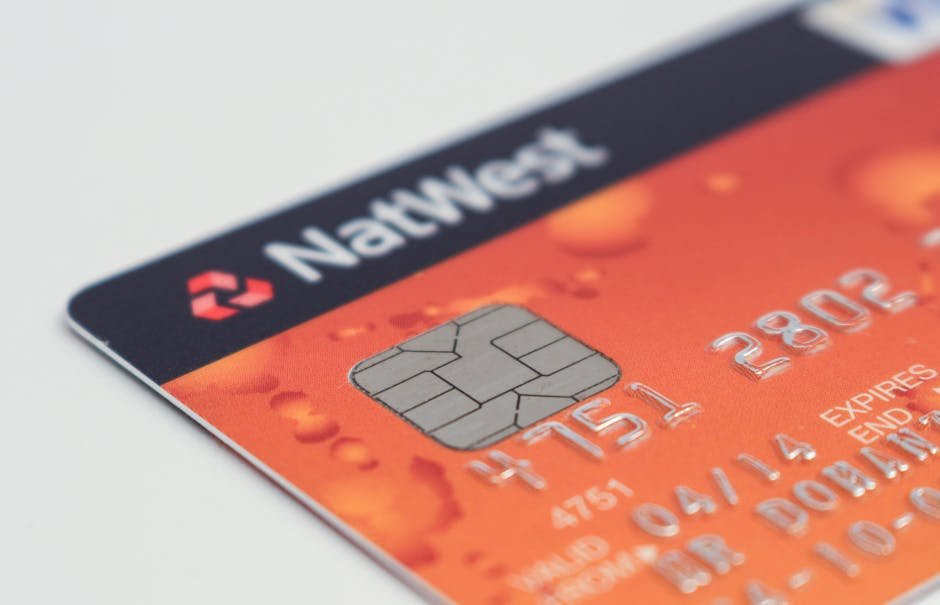
A secured card is a credit card backed by a cash deposit you make upfront — typically $200–$500. That deposit becomes your credit limit. You use the card for small purchases, pay the balance in full each month, and the issuer reports your on-time payments to credit bureaus.
This is the foundational tool for anyone with no credit history or recovering from a damaged score. Look for cards with no annual fee (or a low one) that report to all three bureaus — Experian, Equifax, and TransUnion. Some secured cards graduate to unsecured status after 12–18 months of good behavior, returning your deposit.
Pro tip: Use the card for one recurring bill (like a streaming subscription), set up autopay, and otherwise ignore it. This creates a perfect payment history with minimal effort.
Method 2: Credit Builder Loan
Credit builder loans are specifically designed for building credit. Unlike a normal loan where you get money upfront, with a credit builder loan you make monthly payments that are held in a our complete HYSA guide — and when you’ve paid the full amount, you receive the funds. Meanwhile, every on-time payment is reported to credit bureaus.
SoFi offers credit builder products designed to help members establish and strengthen their credit profiles. These are particularly effective for people with thin credit files because they add a loan (installment credit) to your mix, which helps the credit mix factor.
Method 3: Become an Authorized User
If you have a trusted family member or close friend with reaching an 800 credit score and a long-standing account, ask them to add you as an authorized user on one of their cards. You don’t even need to use the card. Once added, that card’s full history — including the account age and low utilization — can appear on your credit report.
This is one of the fastest-acting methods available. If the primary cardholder has a 10-year-old card with low utilization, you inherit that history on your report. Impact can show up within one billing cycle — typically 30 days.
Important caveats: If the primary cardholder carries high balances or misses payments, it hurts your score too. Choose your authorized-user sponsor wisely. And the impact varies — some credit models weigh authorized user accounts less than primary accounts.
Method 4: Lower Your Credit Utilization Aggressively
Credit utilization is your total credit card balances divided by your total credit limits, expressed as a percentage. It accounts for 30% of your FICO score, and it’s the fastest-moving factor on your report — it updates every billing cycle.
Most advice says stay under 30%. That’s the floor. For maximum scoring benefit, aim for under 10%. The difference between 29% utilization and 9% utilization can be 20–50 points.
There are two ways to lower utilization: (1) pay down balances, or (2) increase your credit limit. Both work. On a card with a $5,000 limit, getting a limit increase to $8,000 without changing your spending drops utilization from 30% to 18.75% — without paying a dollar more.
Method 5: Request a Credit Limit Increase
Call or log in to your existing credit card issuers and request a credit limit increase. Most issuers do a soft pull (which doesn’t affect your score) for existing customers. If you’ve had the card 6–12 months with on-time payments, approval rates are high.
Don’t accept a hard inquiry for a limit increase unless the potential limit jump is substantial. Also, don’t increase your spending after getting a higher limit — the goal is lower utilization, not more purchasing power.
Method 6: Automate Every Payment
Payment history is 35% of your FICO score — the largest single factor. One missed payment can drop a 750 score by 50–100 points and stays on your report for 7 years. There is no good reason to miss a payment in 2026.
Automate at minimum the minimum payment on every credit account, loan, and bill that reports to credit bureaus. Then manually pay the full balance each month. This creates a bulletproof payment history with zero behavioral reliance.
Method 7: Dispute Errors on Your Credit Report
According to a Federal Trade Commission study, approximately 1 in 5 consumers has an error on at least one credit report that could affect their score. Common errors include accounts that aren’t yours (identity fraud or data mix-ups), incorrectly reported late payments, and debts showing as open that have been paid. See our complete Debt Payoff Guide for a step-by-step plan to eliminate debt.
Get your free reports at AnnualCreditReport.com (all three bureaus). Review for errors and dispute them directly with the bureau online. Bureaus have 30 days to investigate. Legitimate errors removed from your report can produce significant, immediate score improvements.
Credit Building Methods: Speed and Impact Comparison
| Method | Time to See Results | Cost | Score Impact (Est. Points) |
|---|---|---|---|
| Dispute Credit Errors | 30–45 days | Free | +20 to +100+ |
| Authorized User | 1 billing cycle (30 days) | Free | +30 to +60 |
| Lower Utilization (<10%) | 1 billing cycle | Free (requires paydown) | +20 to +50 |
| Credit Limit Increase | 1–2 billing cycles | Free | +10 to +30 |
| Secured Credit Card | 3–6 months | $200–$500 deposit | +40 to +80 |
| Credit Builder Loan | 6–12 months | $25–$50/month | +40 to +60 |
| On-Time Payment Streak | 6–24 months | Free | +30 to +80 |
What Doesn’t Work (Credit Myths)
The internet is full of credit advice that’s flat-out wrong. Here are common myths:
- “Carrying a balance builds credit.” False. Paying interest does nothing for your score. Pay in full every month. Utilization is calculated based on your statement balance, not whether you carry a balance.
- “Closing old accounts helps.” Usually the opposite. Closing accounts reduces your total available credit (raising utilization) and can lower your average account age.
- “Checking your own credit hurts your score.” Soft pulls (including checking your own score) don’t affect your credit. Hard pulls from new applications do — but only modestly and temporarily.
- “Credit repair companies can remove legitimate negative items.” No one can legally remove accurate negative information before its 7-year expiration. Any company promising this is either scamming you or using dispute methods you can do yourself for free.
Building Credit with No Credit History
If you’re starting from zero — a young adult, a new immigrant, or someone who’s avoided credit — the path is straightforward:
- Open a secured card (or get added as an authorized user).
- Consider a credit builder loan to add installment credit to your mix.
- Make every payment on time, every time.
- Keep utilization under 10%.
- After 6 months, you’ll have enough history to get a FICO score. After 12 months, you should have a score in the 650–700 range if you’ve followed these steps.
The 6-Month Action Plan
Month 1: Pull all three credit reports. Dispute any errors. Check for accounts you don’t recognize. Set up autopay on all accounts.
Month 2: If you have a credit card, identify its statement closing date and pay down the balance to under 10% of limit before that date. Request a credit limit increase.
Month 3: Apply for a secured card or credit builder loan if you don’t have existing accounts. Ask a trusted person about authorized user status.
Months 4–6: Monitor. Pay on time. Keep utilization low. Don’t apply for any new credit unless necessary. Let time and consistent behavior do the work.
By month 6, most people following this plan see meaningful improvement — often 40–80 points from baseline. By month 12, the gains compound. Building credit isn’t complicated. It’s consistent.
Want to get smarter with money?
Get weekly tips on budgeting, saving, and building wealth.

Written by
WealthIQ Editorial
This article was produced by the WealthIQ editorial team using AI-assisted research and drafting, with review for accuracy before publication. Sources include IRS.gov, SEC.gov, FDIC.gov, and Federal Reserve data. View our editorial standards →