By WealthIQ Editorial | Last Updated: March 2026
Webull entered the U.S. market with a simple pitch: the tools of a professional trading platform, free of charge. For active traders frustrated by Robinhood’s limited charting, that proposition landed hard. Here’s what the platform actually delivers in practice.
Executive Summary
- Webull offers $0 commissions on stocks, ETFs, and options — with no contract fees on options
- Active traders get advanced charting with 50+ technical indicators and Level 2 quotes
- Uninvested cash earns up to 5.0% APY — one of the highest rates in the brokerage space
- Paper trading lets beginners practice with $1 million in virtual funds before going live
Bottom line: Webull is built for active, self-directed investors who want professional-grade tools without paying for them. Beginners may find the interface overwhelming, but serious traders will appreciate the depth.
The Ideal Investor ProfileIs Webull For
Webull launched in 2017 and has grown to over 20 million registered users. The platform sits in an interesting niche: it’s free like Robinhood, but far more feature-rich — positioning itself as the choice for self-directed investors who’ve graduated beyond Robinhood’s simplicity but don’t want to pay for Bloomberg Terminal-style tools.
If you want real-time data, multi-leg options strategies, extended hours trading, and a paper trading simulator all on a mobile app — Webull delivers. If you want one-tap, emotionally-driven investing, you’ll find Webull intimidating at first.
Commission Structure: What’s Free, What’s Not
Webull charges $0 commissions on U.S. stocks, ETFs, and listed options. Options have no per-contract fee — this alone beats many competitors. Crypto trading carries a 1% spread. There are no account minimums for cash accounts, though margin accounts require $2,000.
Webull makes money through payment for order flow (PFOF), margin interest, and premium subscriptions for advanced data. This is worth knowing — PFOF means your orders may not always receive the absolute best execution, though for most retail trades the difference is fractions of a cent.
Charting and Research Tools
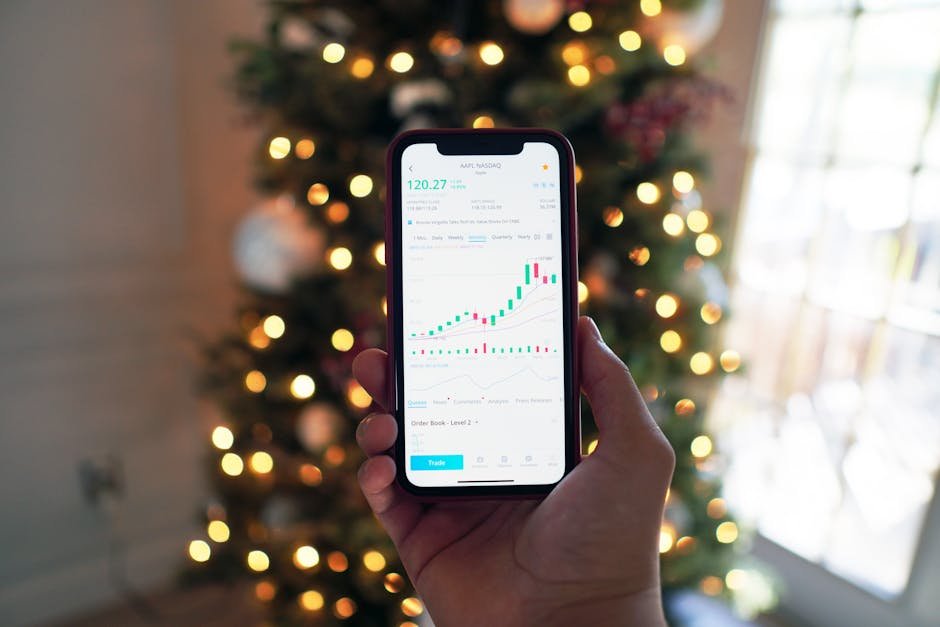
This is where Webull genuinely stands out from free competitors. The platform includes:
- 50+ technical indicators including MACD, RSI, Bollinger Bands, and Fibonacci retracements
- 12 chart types from standard candlestick to Heikin-Ashi and Renko
- Level 2 quotes — available free for the first 3 months, then $1.99/month
- Full-screen desktop interface with multi-panel layouts
- Financial statements and earnings history built directly into the stock page
- Analyst ratings aggregator pulling from 16+ Wall Street firms
For comparison, Robinhood’s charting is limited to a simple price line with basic moving averages — functional but not sophisticated. Fidelity’s Active Trader Pro desktop app is comparable to Webull, but requires a separate download.
Extended Hours Trading
Webull offers pre-market trading from 4:00 AM to 9:30 AM ET and after-hours trading from 4:00 PM to 8:00 PM ET. This matters because major earnings reports drop before the open or after the close — and having access to trade during those windows gives active investors an edge. Robinhood offers extended hours but with a narrower 9:00 AM–6:00 PM window.
Paper Trading: Practice Without Risk
Webull’s paper trading feature gives users a virtual $1 million to trade in real-market conditions, using live price data. This is genuinely valuable. New investors can test strategies, learn the interface, and understand options mechanics without risking a dollar. It’s one of the best free trading simulators available.
Cash Management: 5.0% APY
Webull offers up to 5.0% APY on uninvested cash through its Cash Management Account, provided via partner banks and FDIC-insured up to $1 million through the program. This is a compelling feature for investors who keep cash in their brokerage — it beats most savings accounts and puts cash to work while you wait for your next investment.
Fractional Shares and IRA
Webull added fractional shares in 2023, allowing investors to buy stocks with as little as $5. This makes expensive stocks like Amazon or Google accessible regardless of account size. Webull also offers Traditional, Roth, and Rollover IRAs — a meaningful advantage over pure-play trading apps that lack retirement accounts.
Webull vs Robinhood vs Fidelity
Honest Pros and Cons
✅ What Webull Does Well
- Best-in-class charting for a free app
- Widest extended hours window of any commission-free broker
- Paper trading is genuinely useful for skill-building
- 5.0% APY on cash is competitive without requiring a paid subscription
- No per-contract options fees saves money for active options traders
❌ Where Webull Falls Short
- Interface has a steep learning curve for beginners
- No mutual funds — ETFs only for passive investors
- Customer service is inconsistent; live support can be slow
- Crypto selection is limited compared to dedicated exchanges
- Payment for order flow means execution quality may lag ECN-routing brokers like Interactive Brokers
Is Webull Safe?
Webull Financial LLC is a registered broker-dealer with FINRA and SIPC. SIPC protection covers up to $500,000 in securities (including $250,000 in cash) per account. Cash management funds are FDIC-insured up to $1 million through partner banks. Webull’s parent company, Fumi Technology, is based in the Cayman Islands — this is worth noting for investors concerned about corporate structure, though the U.S. subsidiary operates under full FINRA oversight.
Who Should Use Webull?
Webull is best suited for active, self-directed traders who want professional tools without professional costs. It’s an excellent step-up from Robinhood for investors who’ve developed their strategy and need better analytics. The paper trading feature also makes it one of the best platforms for learning — you can graduate from virtual to real money at your own pace.
Long-term, passive investors who just want to set up an index fund portfolio and forget it are probably better served by Fidelity or Vanguard, which offer broader fund selections and deeper research libraries.
| Feature | Webull | Robinhood | Fidelity |
|---|---|---|---|
| Stock/ETF Commissions | $0 | $0 | $0 |
| Options Commissions | $0 (no contract fee) | $0 (no contract fee) | $0.65/contract |
| Charting Quality | ⭐⭐⭐⭐⭐ Advanced | ⭐⭐ Basic | ⭐⭐⭐⭐ Strong |
| APY on Uninvested Cash | Up to 5.0% | Up to 5.0% (Gold) | 4.97% (SPAXX) |
| Paper Trading | ✅ Yes (free) | ❌ No | ❌ No |
| IRA Accounts | ✅ Yes | ✅ Yes | ✅ Yes |
| Extended Hours | 4 AM – 8 PM ET | 9 AM – 6 PM ET | 7 AM – 8 PM ET |
| Fractional Shares | ✅ ($5 min) | ✅ ($1 min) | ✅ ($1 min) |
Final Rating: 4.2 / 5
Webull earns high marks for tools, extended hours, and cash yield. It loses points for customer service and the absence of mutual funds. For the right investor, it’s the best free trading platform available in 2026.